This morning I talked about some follow-up things for Isaiah 42. (Hear the sermon from this morning here.)
Perhaps the most famous Christian reading that takes up the topic of the bruised Reed is a book by that name- The Bruised Reed by Richard Sibbs (1577-1635). You can find a good summary article on the content of the book here. You can find a free PDF copy of the book here. The whole book is only 69 pages. If you like it, most of his complete works are here.
Banner of truth publishing has published a Kindle version with some updated language. There are a few words in 17th century English that can puzzle you a little bit- and this version makes that a little easier. But reading 17th century theology is about a 70 page investment – once you’ve read that much you’ve pretty much picked up on the different ways they use certain words.
In any healthy church you’ve got to hope you’ll be running into people all the time who are just starting to read the Bible. What do you tell them? Where should they start? Do they need any aids?
I was recently asked in our small group to put together a list for where someone can start reading the Bible. Here is my list.
Here is the Rick Warren talk I was talking about Sunday Morning.
Warren talks about three categories of temptations that sum up all the temptations we deal with. They are:
Lust of the Flesh
Lust of the Eyes
Pride of Life
If you didn’t catch the sermon at High Point on Sunday, November 17, you can listen to it here.
Resurgence 13 is a great thing, and I’d recommend any session that looks interesting. I especially like Matt Chandler. Mark Driscoll’s main session is important.
Here are two helpful Internet sources I came across in my research for Psalm 110. They are clear and good summaries.
A messianic Jewish article explaining the meaning of Psalm 110.
An article about Jesus’s identity – what did Jesus think about the Messiah being the son of David?
Both of these are short and take into account important things related to seeing Psalm 110 in a Jewish/Hebrew perspective in order to see it properly in reference to its fulfillment in Christ.
Generations ago, the pastoral prayer held a place in the church almost as significant as the sermon. Pastors were to write two main orations each Sunday: a prayer offered to God for the people, and a sermon offered to the people for God.
The pastoral prayer has a shepherding function. In it, the shepherd or elder prays for God’s scattered flock. The pastoral prayer also has a discipleship function in that it teaches people about God and how we should speak to him both for ourselves and for others. Continue reading Building an Intentionally Pastoral Prayer→



 Banner of truth publishing has published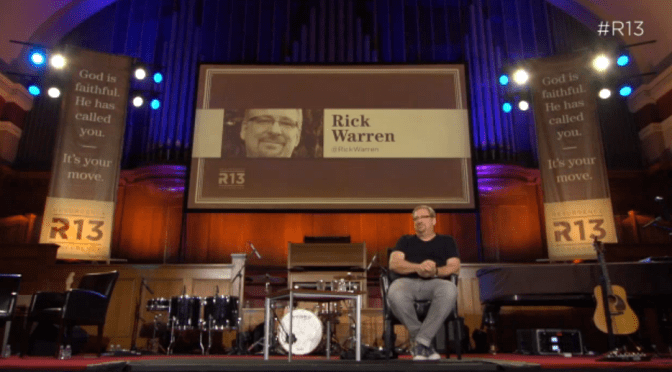
 Engage & Equip